


On the sunlit slopes of the Qilian Mountains, amidst the vast Qinghai-Tibet Plateau, our company's Delingha million-kilowatt new energy project was fully connected to the grid for power generation in May 2025. This project transforms the wind and sun of the boundless Gobi and the "Golden World" into green energy that benefits countless households, actively advancing the national "Dual Carbon" goals. Since its establishment in 2015, CRRC has grown into one of China’s flagship high-end equipment manufacturers while steadily building a distinctive “responsibility track” alongside the global expansion of the “Fuxing” high-speed rail network.
Deepening Governance: The CRRC Model for Strategic Leadership and Comprehensive Accountability
Guided by the philosophy of balancing economic and social value, CRRC has embedded ESG principles into corporate governance, strategic planning, and daily operations. The company has gradually established a systematic “33416” ESG strategic model covering environmental, social, and governance priorities, forming a long-term and institutionalized responsibility management framework.
The framework includes three overarching goals: promoting ecological harmony, creating better lives, and delivering high-end products. This are supported by innovation-driven intelligent manufacturing, responsible industrial ecosystems, and collaborative partnerships. It further identifies four major work themes and sixteen core ESG topics, providing a comprehensive roadmap for sustainable development.
To ensure implementation, CRRC has established a three-tier governance system spanning headquarters, subsidiaries, and project sites. During China’s poverty alleviation campaign alone, the company deployed 52 officials to grassroots regions, extending ESG practices directly into local communities. By applying the PDCA (Plan-Do-Check-Act) management cycle widely used in high-speed rail quality management, CRRC has also created a closed-loop ESG management system covering target setting, implementation, evaluation, and continuous improvement.
Its sustainability efforts have received broad recognition. CRRC achieved operational carbon peaking in 2018 and was named one of China’s first industrial “Carbon Peak Leaders” in 2022. In recent years, the company has also received the Belt and Road Contribution Special Award, recognition as a China ESG Model Demonstration Base, EcoVadis Silver certification, and the “2026 China ESG Model Enterprise” award. To date, CRRC operates 51 national-level green factories, 12 national green supply chain enterprises, 12 zero-carbon factories, and 11 zero-carbon workshops.
Green Innovation: CRRC’s Approach to Driving Sustainable Development
CRRC has continued to integrate China’s “dual carbon” goals into its industrial strategy, leveraging technological innovation to drive green transformation in both rail transit and clean energy industries. The company’s “dual-track, dual-cluster” industrial model is becoming a key pillar of its sustainable development strategy.
1.Breakthrough in core technologies,forging a green reputation
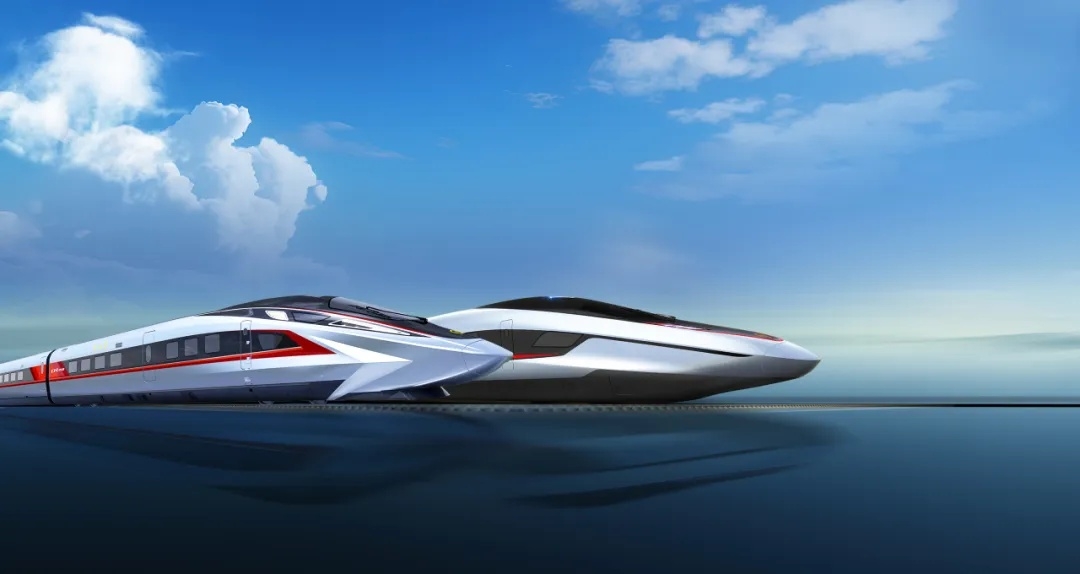
The CR450 high-speed train prototype achieved a test speed of 453 kilometers per hour and a relative crossing speed of 891 kilometers per hour, setting new world records for high-speed rail testing. Despite increasing operating speeds by 50 kilometers per hour, the train achieved these feats without increasing energy consumption, all while reducing overall weight by more than 10%. These breakthroughs are helping upgrade the entire high-speed rail industrial chain.
At the same time, wind power equipment—dubbed “high-speed rail standing upright”—and new energy commercial vehicles—dubbed “high-speed rail on rubber tires”—are emerging as new industrial growth drivers. CRRC has established renewable energy equipment industrial bases in Songyuan, Baise, and Delingha, further strengthening its clean energy manufacturing capacity.
2.Collaborative carbon reduction across the supply chain, building a green ecosystem together
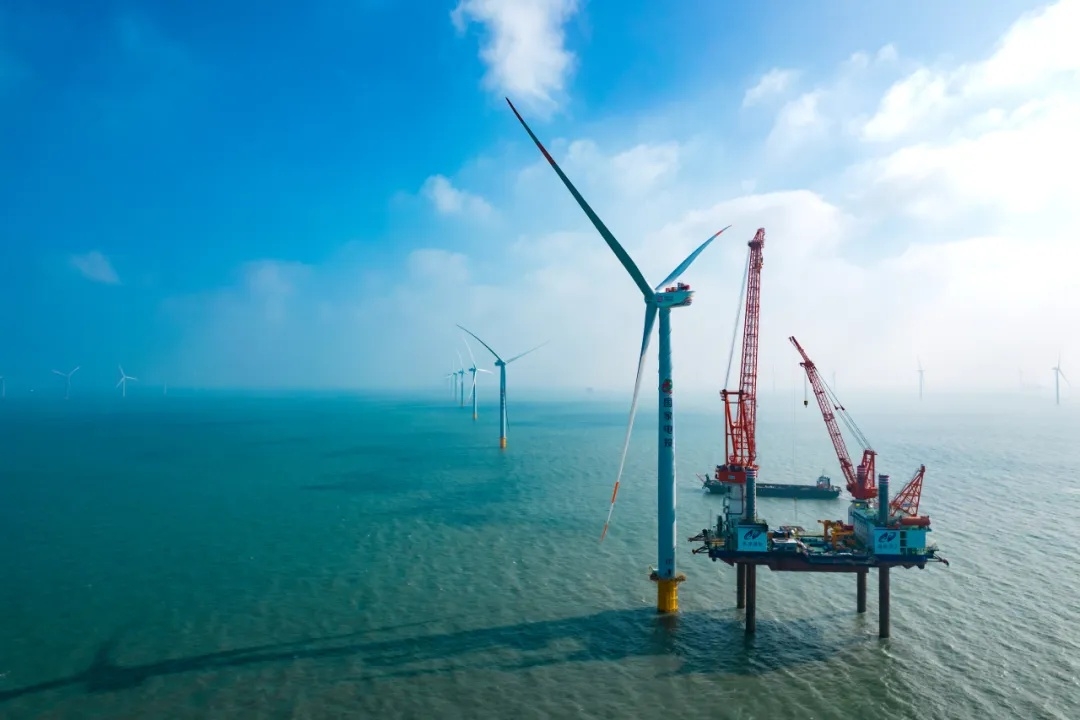
Leveraging its industrial and technological strengths, CRRC has developed a full renewable energy value chain covering wind turbine components, complete systems, manufacturing, maintenance, and services. More than 60 percent of China’s wind turbines now contain CRRC-manufactured products. The company has also expanded into wastewater treatment, industrial emission control, and ecological restoration, while promoting green supply chain standards through digital procurement platforms and unified supplier carbon accounting systems.
Furthermore, CRRC is deepening industry-academia-research collaborations to pioneer low-carbon technologies, such as hydrogen energy and supercapacitors. Through its digital platform and green supply chain initiatives, the company a strives to foster a broader low-carbon industrial ecosystem.
3.Global environmental initiatives: spreading green wisdom
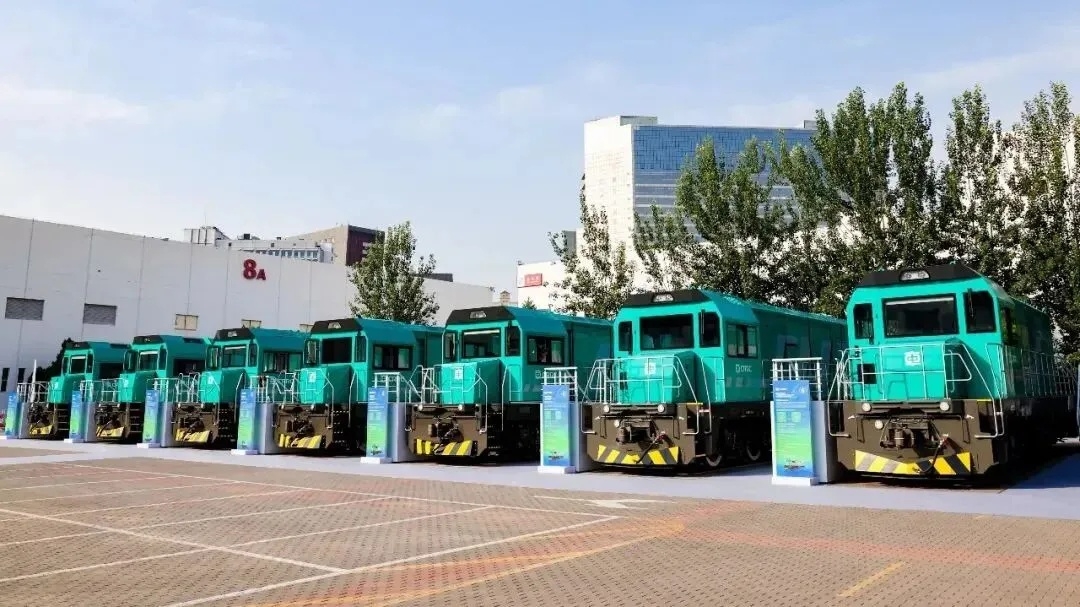
In global markets, CRRC is transitioning from a pure equipment exporter to a leading provider of sustainable development solutions. In 2025, the world’s first hydrogen-powered suburban train completed operational testing, achieving zero emissions, improving energy efficiency by 15%, and reducing energy consumption by 60% compared with conventional diesel trains. In 2024, CRRC released the rail transit industry’s first carbon footprint report and launched a global initiative promoting carbon footprint management for rail transit equipment. The same year, the company introduced seven new energy locomotive models supporting low-carbon upgrades across the transportation sector.
Hydrogen-powered ART vehicles operating in Malaysia, hybrid locomotives exported to Kazakhstan, and electric buses running through European cities further demonstrate CRRC’s expanding global green footprint. As CRRC Chairman Sun Yongcai noted, central state-owned enterprises should not only drive economic growth but also actively fulfill responsibilities in green development. For years, CRRC Corporation Limited has remained committed to its “6G” development philosophy while continuously advancing its “6A” initiatives, maintaining an unwavering dedication to green development.
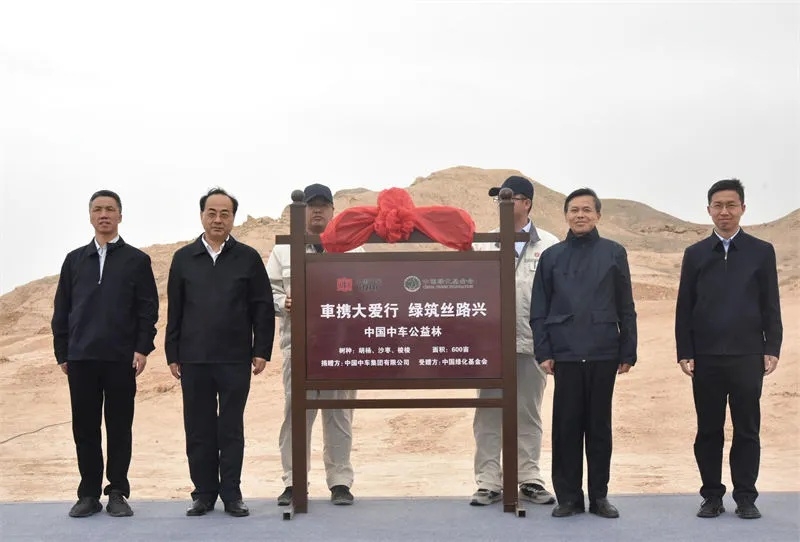
In May 2025, CRRC held the inauguration ceremony for its public welfare forest and a tree-planting campaign in Jiuquan, Gansu Province. Chairman Sun Yongcai led CRRC employees in planting climate-adapted species including poplar and Russian olive trees. Covering 40 hectares and comprising more than 60,000 trees and shrubs, the public welfare forest is expected to help establish a stable and well-functioning ecological system in Jiuquan, reflecting CRRC’s long-term commitment to environmental responsibility and sustainable development.
Social Impact: Supporting Livelihoods and Rural Development
Over the past decades, CRRC has integrated sustainable rural development into its long-term development strategy, supporting infrastructure, education, industrial development, and digital transformation in targeted assistance regions.
1.Infrastructure improvement
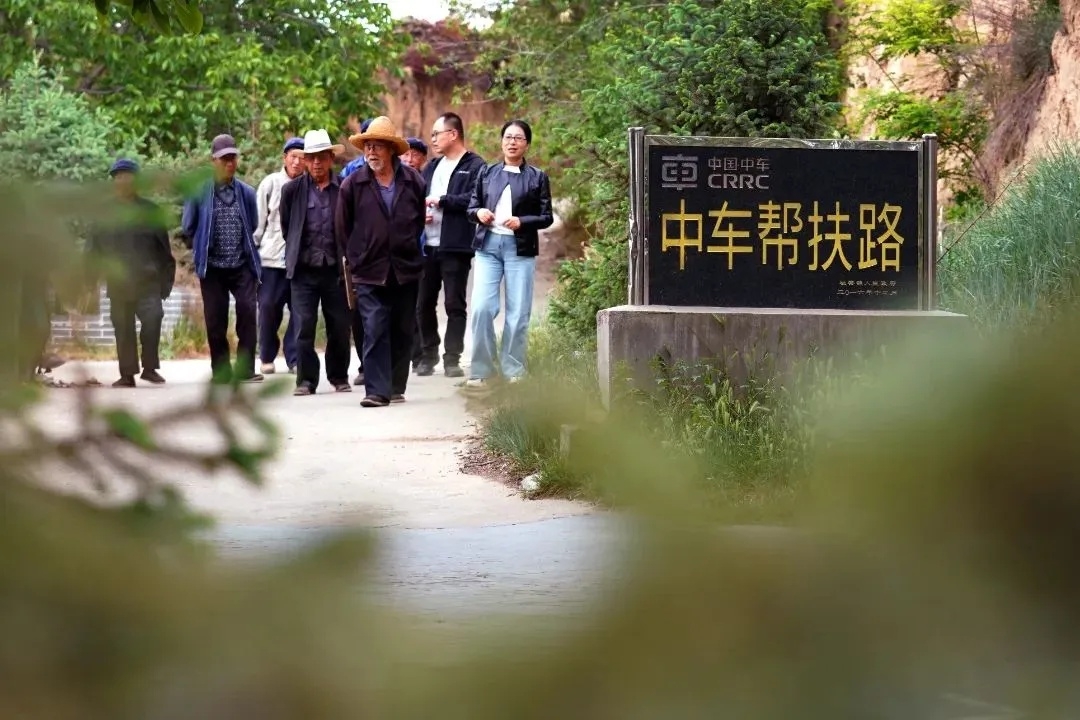
In Tianshui, the company repaired irrigation infrastructure and drinking water systems supporting 2,817 households, while cold-chain logistics projects helped local fruit farmers minimize transportation losses and expand into broader markets. In Baise, CRRC supported the construction of 6,650 biogas facilities and 175 irrigation water tanks, enhancing both rural energy access and agricultural conditions.
2.Education and talent development
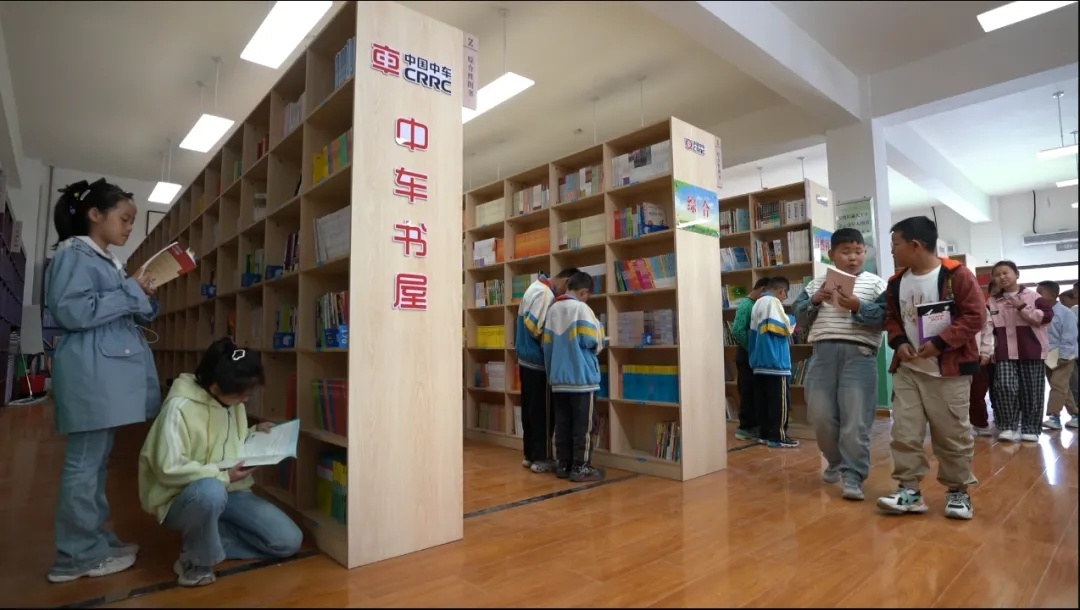
Education and talent development have become a key pillar of CRRC’s social responsibility. CRRC has invested more than RMB 16 million in education support programs benefiting over 12,000 students. Its “Swan Program” has provided leadership training for more than 700 Local primary-level officials, while initiatives such as “Leaving the Mountains to Experience High-Speed Rail” have connected rural students with modern technology and industrial development.
3.Industrial development
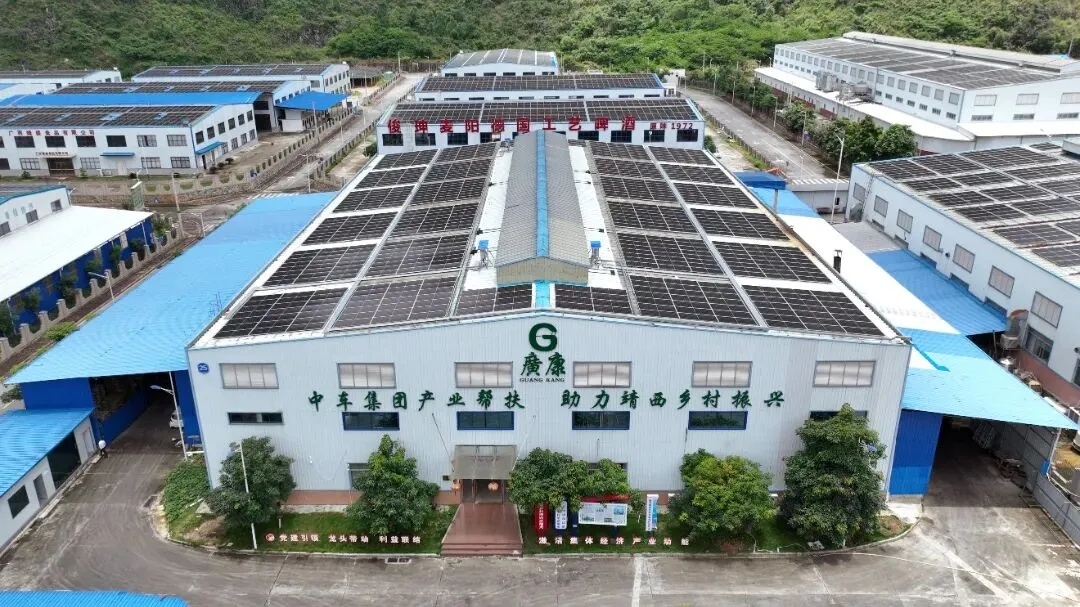
The company has also promoted sustainable industrial development aimed at creating long-term economic resilience.
In Tianshui, the Waquanyu Village Ecotourism Demonstration Village project has been implemented in a manner tailored to local conditions; by 2024, it had created employment for over 130 people in Waquanyu Village and the surrounding areas. Four ‘rural employment factories’ and 18 ‘employment support workshops’ have been established, providing jobs for more than 700 residents.
In Baise, industrial collaboration initiatives have increased annual collective village income of local villages by more than RMB 7.6 million and raised average monthly income for over 30,000 people by RMB 3,500. Smart agriculture systems introduced in Longping Village lowered labor intensity by 30% while doubling agricultural output.
4.Digital empowerment
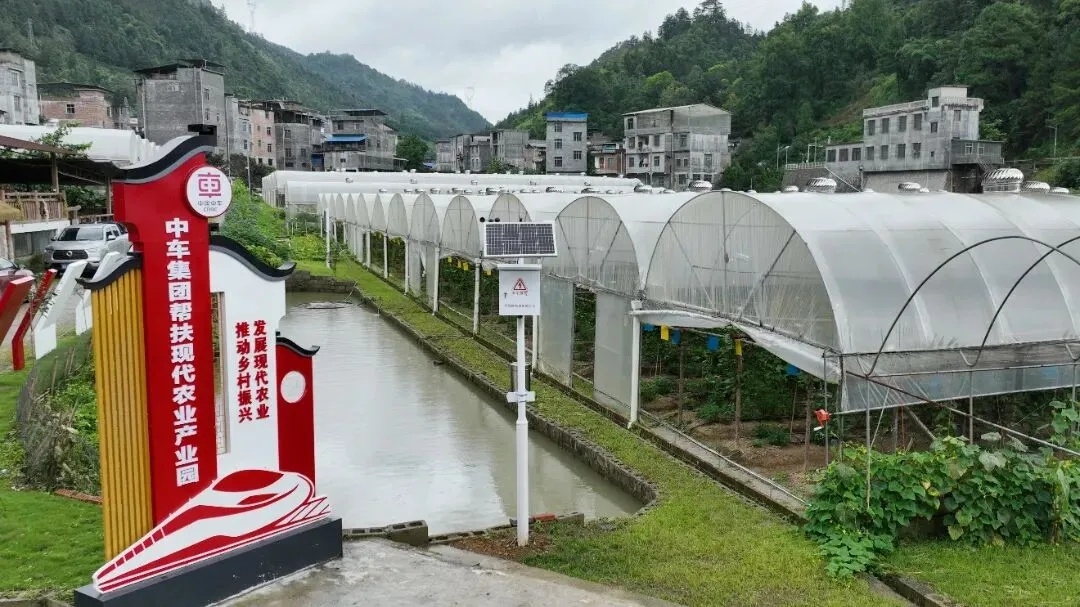
Since launching targeted assistance programs in Jingxi, Napo, Gangu, and Maiji 23 years ago, CRRC has invested nearly RMB 250 million in rural revitalization efforts and has received China’s highest evaluation rating for targeted assistance work for five consecutive years.
Global Responsibility: Advancing the Belt and Road Initiative
As CRRC expands globally under the Belt and Road Initiative, it is moving beyond “exporting equipment” toward “embedding responsibility” in local development.
1.Cultural exchange
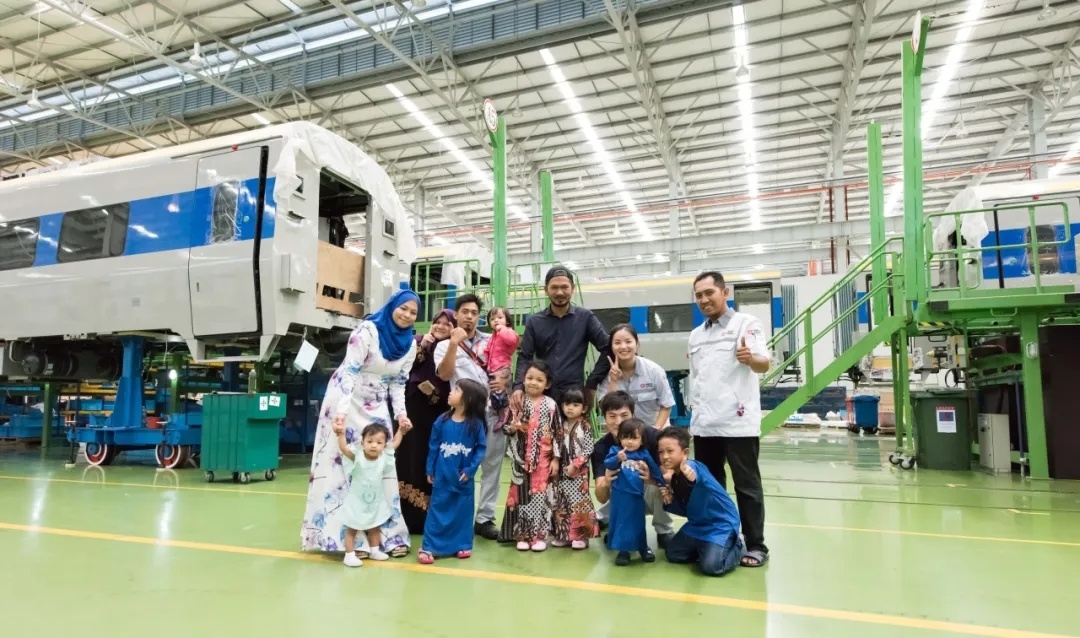
In Vienna, CRRC inaugurated its first overseas corporate social responsibility and cultural exchange center. Public engagement initiatives such as “Traveling the World by Train” and rail -themed cultural events in Indonesia and Laos have promoted cultural exchange and people-to-people connectivity. The company’s “Green Mobility” international communication initiative has also become a Vital platform for showcasing Chinese green technologies and sustainability practices.
2.Talent development
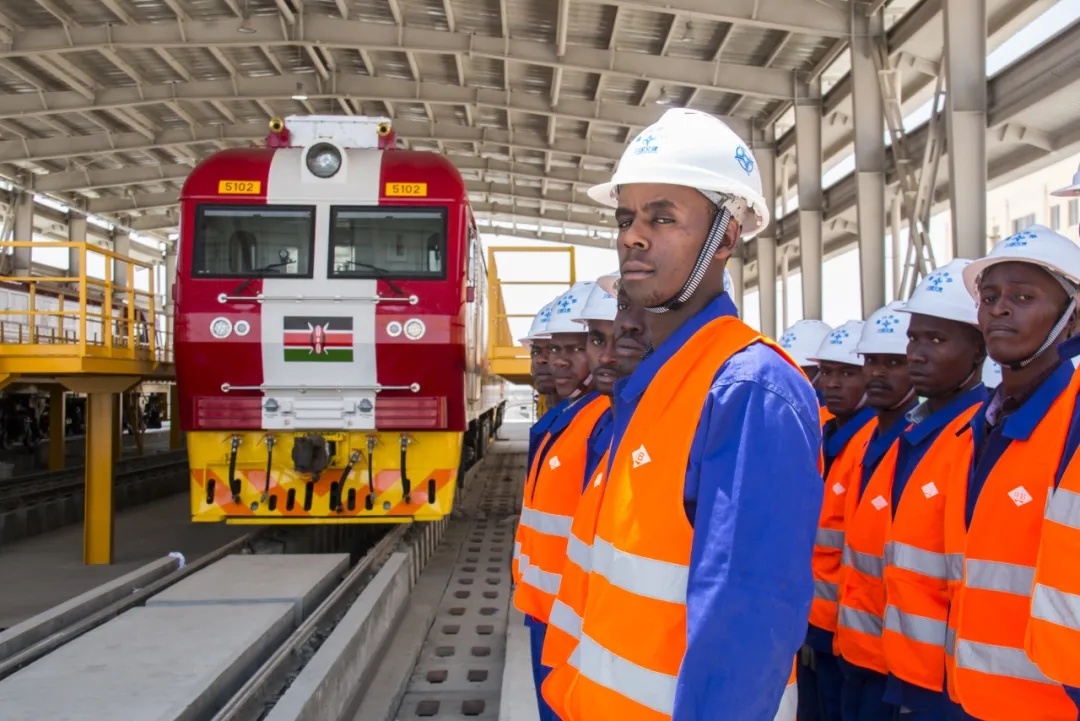
Large-scale rail projects including the Jakarta-Bandung High-Speed Railway, the Mombasa-Nairobi Railway, and the China-Laos Railway have supported local workforce development through vocational education and technical training programs. These efforts not only create jobs and improve technical skills but also deepen cultural exchange and long-term cooperation.
3.Industrial cooperation
In Türkiye, CRRC partnered with local enterprises to support more than 30 suppliers, while its ASEAN Manufacturing Center in Malaysia has become a flagship China-ASEAN industrial cooperation project. Mexico City Metro Line 1 was selected by the United Nations Development Programmed as one of the world’s top ten PPP case studies due to its strong social and environmental benefits.
4.Community engagement
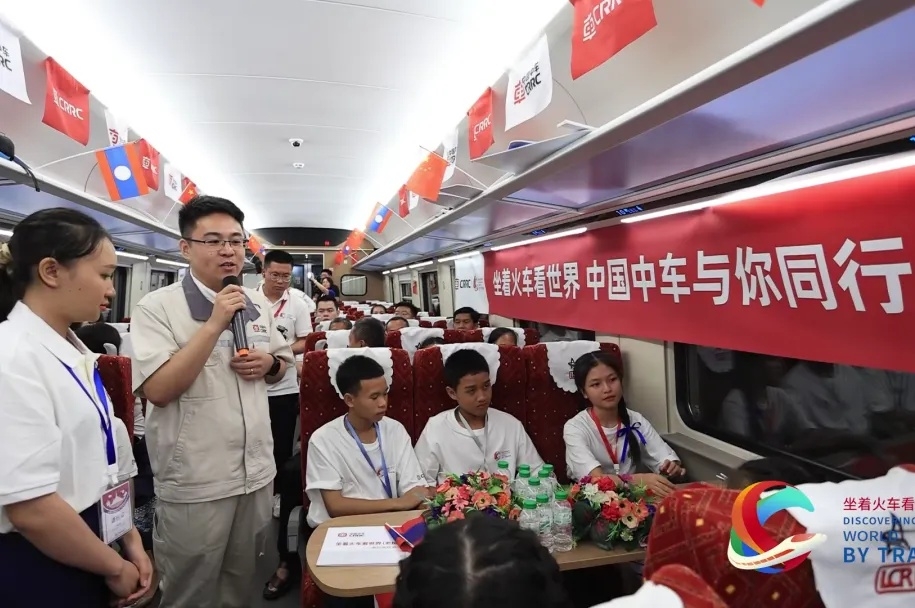
CRRC has also participated in disaster relief, community engagement, and educational outreach activities across multiple countries. Following the launch of the China-Laos Railway, the “Lancang” EMU trains delivered holiday greetings to passengers in Chinese, Lao, and English during the traditional Water Splashing Festival, allowing more people to directly experience a sense of gain and happiness brought by the Belt and Road Initiative. In Saudi Arabia, the company provided round-the-clock operational support during the Hajj pilgrimage season. In Indonesia, “The First High-Speed Train Lesson” public welfare program introduced railway technology to local students. In Thailand, CRRC organized railway photography activities that attracted widespread public participation. In Mexico, CRRC promoted school-enterprise cooperation programs to support local employment and talent development.
From high-end equipment manufacturing to social responsibility and cultural exchange, CRRC is committed to strengthening global connectivity while providing Chinese solutions for sustainable development and shared prosperity.
Looking ahead, Sun Yongcai stated that CRRC will continue integrating ESG principles into governance, innovation, operations, and international cooperation, aspiring to lead as a global ESG benchmark in high-end equipment manufacturing and contribute to the greening of global transportation and a more sustainable future.
